Brandon Office
12 Woodgate Dr
Suite A
Brandon, MS 39042
Gluckstadt Office
340 Distribution Dr
Madison, MS 39110

Brandon Office
12 Woodgate Dr
Suite A
Brandon, MS 39042
Gluckstadt Office
340 Distribution Dr
Madison, MS 39110

Selling Your Home in Central Mississippi: What to Expect
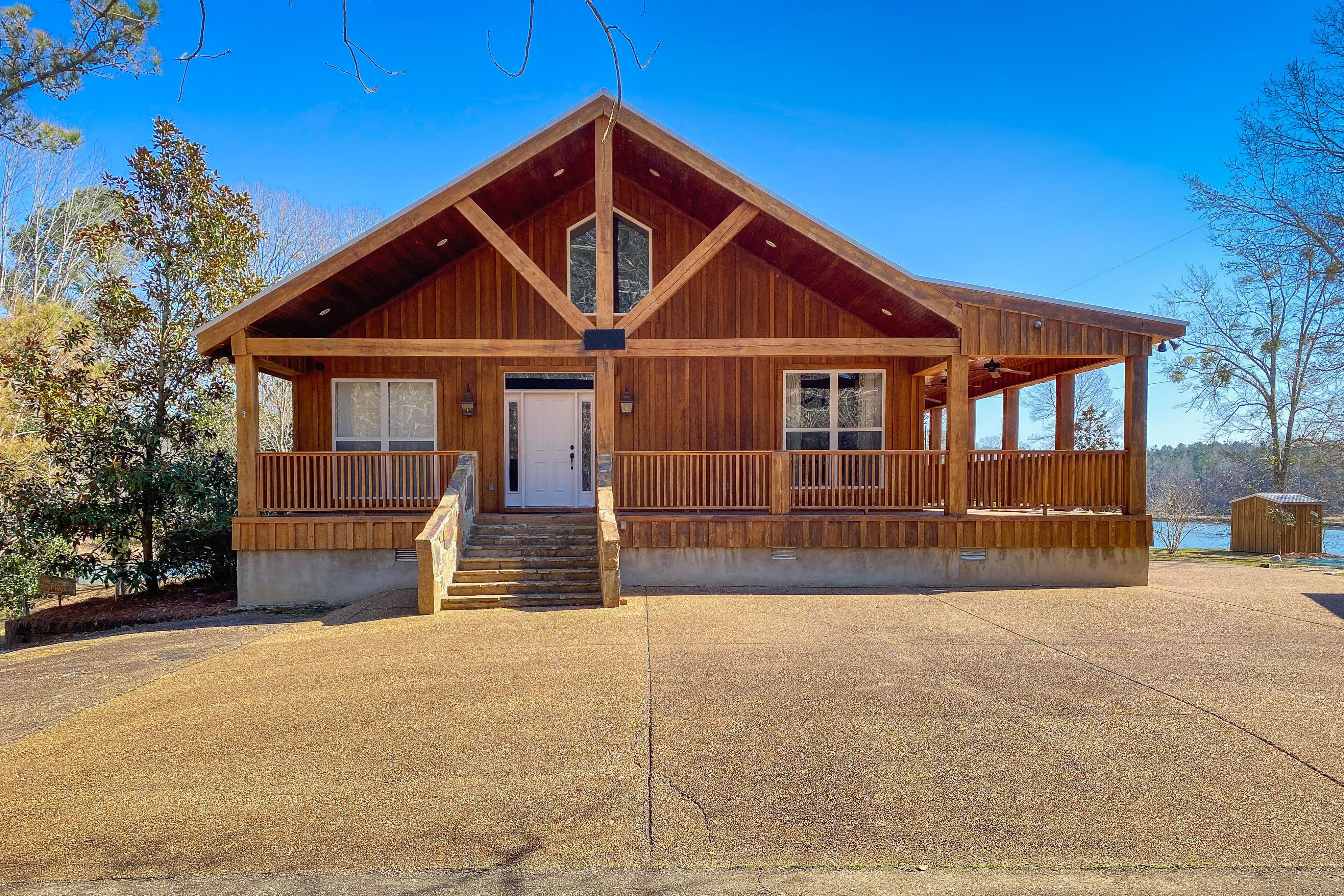
Selling a home in Central Mississippi follows a structured sequence: preparing and pricing the home, marketing and listing, evaluating offers, completing the required state disclosures, and closing through a title company or closing attorney. Knowing the steps ahead of time takes most of the stress out of the process.
For financed buyers, who make up the majority of transactions in Madison, Rankin, and Hinds counties, the timeline from an accepted purchase agreement to the closing table typically runs 30 to 60 days. Cash transactions can close much faster, often within 10 to 14 days. Whether you are selling a family home in Madison, a suburban property in Brandon, or a home on acreage in Flora, understanding Mississippi's process and costs puts you in control of your sale and your net proceeds.
How Do You Price a Home to Sell in Central Mississippi?
To price your home effectively in Central Mississippi, price to your specific submarket and neighborhood comps, not to a national online estimate or a statewide average. Central Mississippi is a collection of distinct micro-markets where demand, pricing, and days on market vary sharply by city, school district, and subdivision.
- Madison and Ridgeland: Prices are heavily shaped by subdivision and by top-rated school attendance zones. Homes priced accurately to recent neighborhood comps tend to move relatively quickly.
- Brandon and Flowood: Rankin County buyers tend to prioritize move-in readiness, convenience, and functional layouts, so pricing should reflect close square-footage comps within the specific school district.
- Jackson metro and historic districts: In areas like Belhaven and Fondren, pricing leans on architectural character, interior updates, and condition as much as square footage.
National automated valuation tools rely on broad tax data and often miss recent upgrades, neighborhood boundaries, or acreage value. A Comparative Market Analysis (CMA) from a local broker weighs active listings, pending sales, and hyper-local closed comps to set a listing price designed to attract qualified offers.
Want to know what your home is worth today? Request a complimentary property valuation.
Preparing Your Home and Handling Disclosures
Most sellers start with light preparation: decluttering, cleaning, minor repairs, and small cosmetic fixes that help the home show well. You do not need to renovate, but addressing obvious issues up front reduces the chance of them resurfacing during the buyer's inspection. Mississippi also has specific disclosure obligations that sellers should understand early.
The Mississippi Property Condition Disclosure Statement (PCDS). For most residential sales, Mississippi law requires the seller to complete and deliver a Property Condition Disclosure Statement describing their actual knowledge of the home's condition. It is governed by Miss. Code Ann. Section 89-1-501 et seq. The form covers areas such as:
- Structural condition and foundation history
- Roof condition, age, and past leak repairs
- HVAC, plumbing, electrical, and major appliance operation
- Flood-zone status, past water damage, and known environmental hazards
Certain transfers, such as foreclosures, court-ordered or estate sales, and some transfers between co-owners, are exempt by statute. And if the disclosure is delivered after an offer is signed, the buyer generally gains a short statutory window to terminate the contract and recover earnest money.
Federal lead-based paint disclosure. For any home built before 1978, federal law requires the seller to provide a lead-based-paint disclosure and the EPA's informational pamphlet before the contract is finalized.
The through-line on disclosures is simple: honesty protects you. Being upfront about known issues is both the legal expectation and the practical one, since undisclosed defects that surface later can unravel a sale or create liability.
What Does It Cost to Sell a House in Mississippi?
Seller closing costs in Mississippi, excluding agent commission, typically run in the range of about 1 to 3 percent of the sale price. Your actual net depends on your mortgage payoff, prorated taxes, and negotiated settlement items. Common seller-side costs include:
- Settlement and document services: The fees for the title company or closing attorney who handles settlement and prepares documents.
- Owner's title insurance: Sellers often pay for or negotiate the owner's title policy that assures the buyer of clear title.
- Prorated property taxes: Mississippi property taxes are billed annually, so at closing they are prorated and the seller credits the buyer for the portion of the year the seller owned the home.
- Recording fees: Chancery Clerk recording fees, typically a small amount, to release existing liens and record the deed.
- Agent commission: Usually the largest single line item, and negotiable. Recent industry changes also changed how buyer-agent compensation is handled, and compensation terms are now set in your written representation agreement rather than posted on the MLS. Discuss the current structure directly with your agent.
One point in Mississippi sellers' favor: the state charges no real-estate transfer tax on the deed, unlike many states that tax the transaction value at closing. The clearest way to think about all of this is net proceeds: sale price minus your mortgage payoff, closing costs, commission, and any negotiated repairs or credits. A local agent can give you a net sheet up front so there are no surprises at the table.
The Closing Process and Timeline
Once you accept an offer, the transaction moves through a familiar sequence:
- Executed contract and earnest money. The buyer deposits earnest money (often around 1 to 2 percent) into escrow with the closing agent, which may be a title company, closing attorney, or broker. It is never paid directly to the seller.
- Inspection period (often about 10 to 14 days). The buyer completes a home inspection and a termite or wood-destroying-insect report, and any repair or credit items are negotiated.
- Title search and appraisal (typically weeks 2 to 4). The closing agent runs a title search to confirm clear ownership, and a financing buyer's lender orders an appraisal.
- Closing Disclosure and final walkthrough. If the buyer is financing, the lender issues the Closing Disclosure at least three business days before closing, and the buyer does a final walkthrough.
- Closing (generally day 30 to 60). Documents are signed, funds are disbursed, the deed is transferred and recorded, and keys change hands.
In Mississippi, closings are commonly handled by a title company or a closing attorney. Because preparing the deed and rendering a title opinion are considered the practice of law, an attorney is typically involved in those parts of the transaction even when a title company conducts the closing.
Should You Sell As-Is or Make Repairs First?
Selling "as-is" means you will not make physical repairs, but you are still required to disclose all known material defects on the PCDS. For most sellers, targeted pre-listing prep, such as fresh interior paint, a professional deep clean, landscaping cleanup, and servicing the HVAC, returns more than listing a neglected home as-is. Selling as-is trades some sale price for speed and simplicity, which can make sense if you need to move quickly. A local agent can help you weigh which repairs are worth making for your specific home and market, and can point you to trusted contractors and inspectors for the ones that are.
Working With a Local Listing Agent
Selling well in Central Mississippi comes down to local knowledge: pricing to the right submarket, marketing to the right buyers, handling disclosures correctly, and managing the closing so nothing slips. Backed by a team of more than 40 professionals across Central Mississippi, Hopper Real Estate Leaders can guide your sale from the first pricing conversation to the closing table.
Ready to talk about selling? Learn about our approach on our List with Hopper page, or request a free home valuation. Planning your next move? Explore Buying with Hopper, or read more in our Field Guide.
Frequently Asked Questions
What does it cost to sell a house in Mississippi?
Excluding agent commission, seller closing costs (settlement services, owner's title insurance, prorated property taxes, and recording fees) typically run about 1 to 3 percent of the sale price. Commission is separate, usually the largest line item, and is negotiable. Mississippi charges no state real-estate transfer tax.
Do I need a property disclosure statement to sell my home in Mississippi?
Yes. Under Miss. Code Ann. Section 89-1-501 et seq., sellers of residential property generally must complete and deliver a Property Condition Disclosure Statement describing the home's known condition, unless the transfer is specifically exempt by statute. Homes built before 1978 also require a federal lead-based-paint disclosure.
How long does it take to sell a house in Mississippi?
Once you accept an offer, a financed sale generally closes in 30 to 60 days, while a cash sale can close in as little as 10 to 14 days. The time on the market before that depends on pricing, condition, and your local submarket.
Do you need an attorney to sell a house in Mississippi?
Closings in Mississippi are commonly handled by a title company or a closing attorney. Because preparing the deed and giving a title opinion are considered the practice of law, an attorney is typically involved in those steps even when a title company conducts the closing. A local agent or closing attorney can tell you exactly what to expect in your area.
How do I accurately price my home to sell?
Price to your specific submarket using a Comparative Market Analysis of recent hyper-local MLS sales in your neighborhood and school district, rather than a national automated estimate. Central Mississippi includes several distinct markets.
Rooted in Central Mississippi since 2014, Hopper Real Estate Leaders is a locally owned, independent brokerage built on honesty, local knowledge, and genuine care for the people we serve, with more than $1 Billion in closed sales across homes and land.