Brandon Office
12 Woodgate Dr
Suite A
Brandon, MS 39042
Gluckstadt Office
340 Distribution Dr
Madison, MS 39110

Brandon Office
12 Woodgate Dr
Suite A
Brandon, MS 39042
Gluckstadt Office
340 Distribution Dr
Madison, MS 39110

Buying Rural Land in Central Mississippi: What to Know Before You Buy
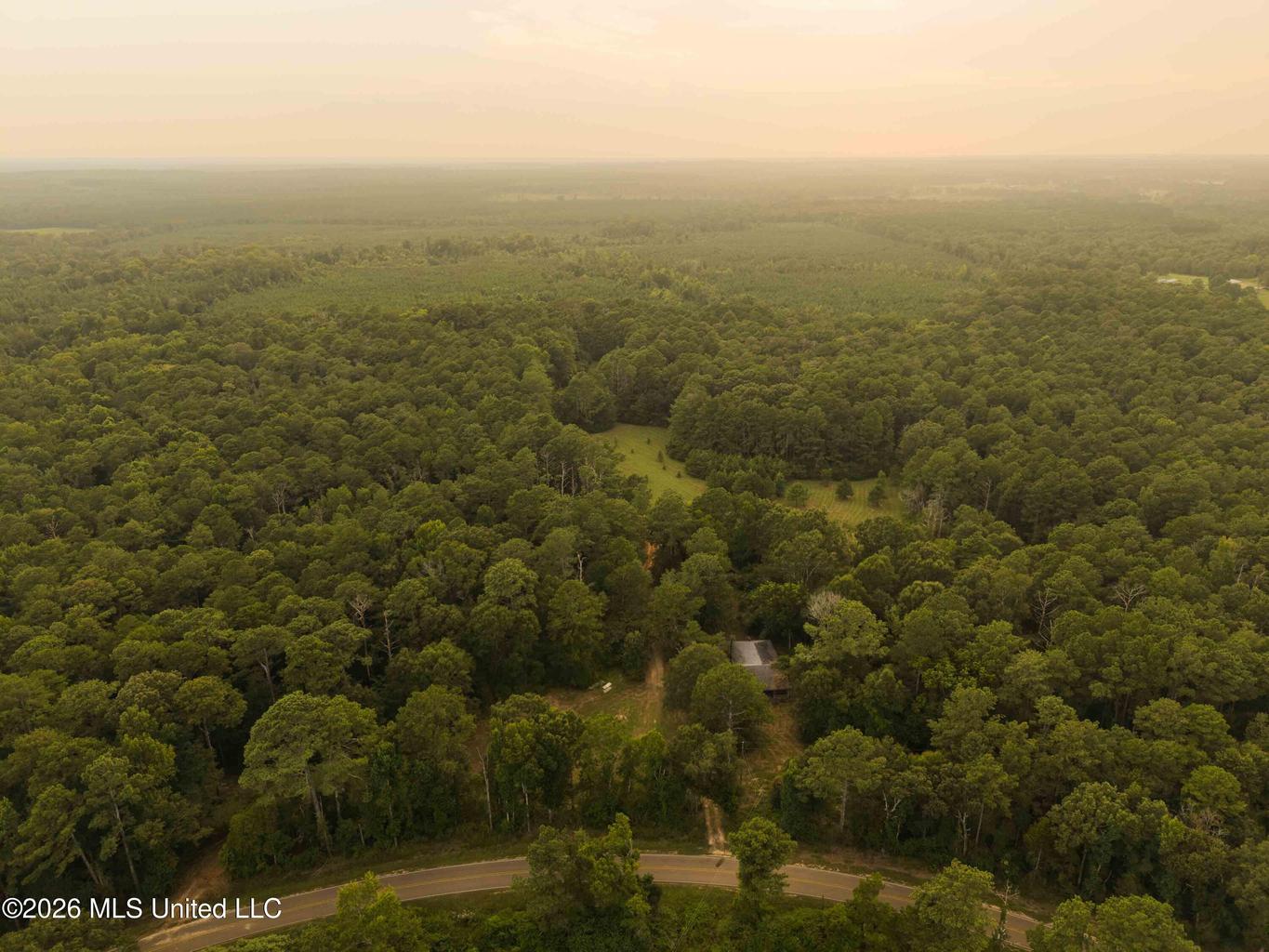
Buying rural land in Central Mississippi generally falls into three categories: recreational and hunting land (waterfowl, white-tailed deer, and turkey habitat), timber and agricultural investment (row-crop farmland or managed pine and hardwood timberland), and buildable country homesteads (acreage for a custom home). Unlike buying a house, buying land calls for rigorous due diligence on soil suitability, legal access, timber and mineral rights, and specialized financing. This guide details the essential checks every buyer should make before submitting an offer on rural Mississippi land.
Start With Your Use Case
Everything downstream depends on why you are buying, so start there. A hunting tract lives or dies on access, terrain, and water. A timber investment turns on stand age, species, and whether the timber rights convey. A buildable lot depends on soil, utilities, and road access. Knowing your goal tells you which of the checks below deserve the most attention.
Do You Need a Perc Test to Build on Land in Mississippi?
Yes. If you plan to build on land without municipal sewer, you will need a percolation (perc) test to install a septic system, and you should make your offer contingent on it. In Mississippi, on-site wastewater disposal is regulated by the Mississippi State Department of Health (MSDH), whose regional environmentalists perform a soil and site evaluation to determine the soil's absorption rate and the type of system the property can support before a permit is issued.
Soil varies widely across the region:
- Central Mississippi uplands (Rankin, Madison, and Simpson Counties): Sandy loam and well-drained soils generally pass standard gravity-fed perc tests without trouble.
- The Mississippi Delta and flatlands (Leflore, Holmes, and Yazoo Counties): Heavy alluvial clay absorbs water slowly and often fails a standard perc test. These properties frequently require an engineered aerobic or subsurface-drip system, which adds meaningfully to the site-prep budget.
Land Specialist Tip: Always make your purchase agreement contingent on a successful MSDH soil evaluation and septic approval within your due-diligence period, so your earnest money is protected if the soil cannot support your intended use.
Explore buildable tracts on our Land for Sale page.
Who Owns the Mineral and Timber Rights?
In Mississippi, mineral rights and timber rights can be severed from surface ownership, which means the surface owner does not automatically own what lies beneath the ground or the standing timber. When you evaluate a parcel, confirm in writing exactly what conveys with the deed.
- Mineral Rights: In gas- and oil-producing parts of Central and South Mississippi, a previous owner may have reserved a portion or all of the subsurface minerals. Your contract should state explicitly whether mineral rights convey or are reserved, and the chain of title should be examined to confirm it.
- Timber Rights: Timberland is often sold with timber deeds or harvest reservations. Make sure a seller has not sold the timber-cutting rights to a logging firm ahead of closing. If you are buying timberland as an investment, request a professional timber cruise to estimate the current volume and value of pine or hardwood sawtimber and pulpwood.
Learn more about timber and recreational tracts on our Farms & Hunting Land page.
Can You Get to It, and Where Are the Boundaries?
Landlocked tracts sell for much less per acre for a reason: Mississippi law does not automatically guarantee an owner access across a neighbor's land without an established legal easement. Before you make an offer, work through three checks.
- Deeded access: Confirm the property has direct frontage on a county-maintained public road or a legally recorded, perpetual access easement. Do not rely on a verbal agreement or an informal farm road across an adjoining property.
- Boundary survey: Rural legal descriptions often rely on old metes-and-bounds surveys referencing fence lines or landmark trees, and fences do not always follow the legal lines. An updated boundary survey, generally $400 to $2,500 depending on acreage and terrain, prevents costly disputes and confirms exactly what you are buying.
- Flood zone: Check the FEMA flood map. Part or all of a tract, especially in the Delta or along creeks and rivers, may sit in a floodplain, which affects buildability, insurance, and what you can do with the land.
How Does Financing Rural Land Work?
Financing raw land is different from getting a home mortgage. Because land lacks a residential structure to secure immediate value, lenders treat it as higher risk, which usually means larger down payments, shorter terms, and stricter credit evaluations. The general terms below vary by lender and property, so confirm specifics with a rural lender before you rely on them.
- Raw Land Loans: Unimproved land without utilities or road access typically requires 20% or more down, often reaching 35% to 50% on truly raw tracts, with higher rates and shorter terms.
- Improved Lot / Homestead Loans: Land with electricity, water access, and road frontage usually requires less down, commonly in the 15% to 20% range.
- Agricultural and Rural Lenders: Institutions such as Mississippi Land Bank and Southern AgCredit, along with USDA Rural Development loans, offer financing structures tailored to farmers, timber growers, and recreational buyers.
- Owner Financing: Seller-financed deals are common on rural land in Mississippi, with a negotiated down payment and rate secured by a deed of trust.
What Does It Cost to Own Land in Mississippi?
Here is the encouraging part. Mississippi has some of the lowest land carrying costs in the country, thanks to low property taxes, productivity-based timberland assessments, and no state real-estate transfer tax.
- Use-Value Assessment: Agricultural land and managed timberland are taxed based on soil productivity and land capability rather than full market value, which substantially lowers the annual tax bill.
- No Real-Estate Transfer Tax: Mississippi imposes no state transfer tax when land changes hands, so a cash purchase mostly comes down to a title and closing service, recording fees, and an optional real estate attorney.
- Homestead Exemption: If you build your primary residence on the land, you may qualify for Mississippi's homestead exemption, lowering the annual bill further.
Low carrying cost is part of what makes land here work as a long-term hold. You can buy now, plan a cabin or a future move, and let timber growth and appreciation work in your favor in the meantime. Always run the closing through a real estate attorney or title company.
Ready to Look at Land?
Buying land takes more than browsing online maps. From inspecting timber stands and evaluating soil to verifying legal access and connecting you with site-prep professionals, our land team brings real field experience to your search. Browse available tracts on our Land for Sale and Farms & Hunting Land pages, explore land by area on our Community Pages, or start a conversation through Buying with Hopper Real Estate Leaders. Selling land instead? Request a valuation on our List with Hopper page.
Frequently Asked Questions
Do you need a perc test to build on land in Mississippi?
Yes. If the land lacks municipal sewer, the Mississippi State Department of Health requires a soil and site evaluation before an on-site septic system can be permitted and installed. Sandy upland soils common to Rankin, Madison, and Simpson Counties usually pass, while heavy Delta clay may require an engineered system. Make your offer contingent on a successful evaluation.
What are mineral rights when buying land?
Mineral rights are ownership of underground resources such as oil, natural gas, and minerals. In Mississippi they can be owned separately from the surface, so a third party may hold the minerals beneath land you buy. Confirm what conveys during the title search before closing.
Can you finance rural land like a house?
Usually not. Standard 30-year mortgages are generally unavailable for unimproved land. Land loans typically require larger down payments than a home loan, often 20% or more and higher on truly raw tracts, with shorter terms and specialized financing through rural lenders such as Mississippi Land Bank or Southern AgCredit. Owner financing is also common.
Is buying land in Mississippi a good long-term investment?
Mississippi land, particularly timberland, Delta row-crop farmland, and recreational hunting tracts, offers low annual carrying costs, use-value tax treatment, no state transfer tax, and steady demand driven by timber and outdoor recreation. With solid due diligence on access, rights, and soil, it can be a stable long-term hold.
What should you check before buying rural land?
Confirm legal road access and easements, get a boundary survey, verify mineral and timber rights, check the FEMA flood zone, complete a perc test if you plan to build, and line up appropriate financing.
Rooted in Central Mississippi since 2014, Hopper Real Estate Leaders is a locally owned, independent brokerage built on honesty, local knowledge, and genuine care for the people we serve, with more than $1 Billion in closed sales across homes and land.